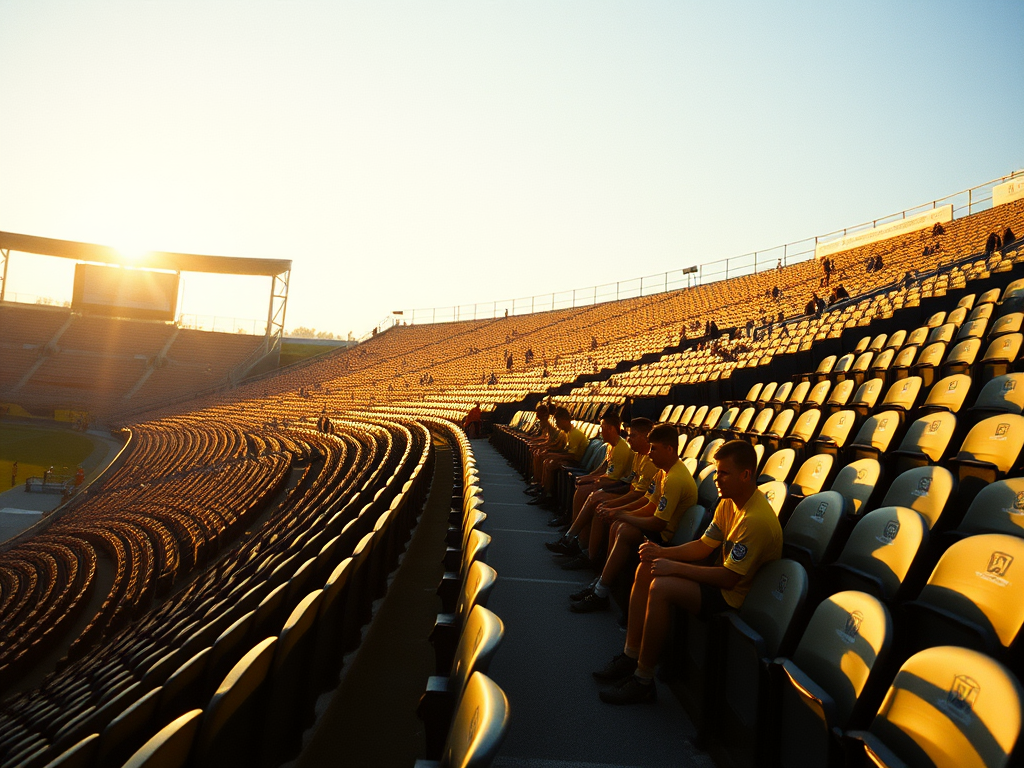
 Central Coast Mariners
In the annals of Central Coast Mariners history, 2011 stands out as a year that not only tested the mettle of the club but also showcased the potential of Australian football on the continental stage. The Mariners embarked on their journey in the AFC Champions League, a tournament that would ultimately become a defining chapter in their legacy.
The Mariners entered the tournament with a sense of purpose, driven by the desire to prove that Australian clubs could compete with the best in Asia. Coached by Graham Arnold, the team was filled with local talents, seasoned professionals, and emerging stars, creating a blend that was both dynamic and resilient. Their group stage draw saw them matched against formidable opponents, including the likes of Tianjin Teda from China and the K-League's Jeonbuk Hyundai Motors.
The highlight of the campaign came in the group stage when the Mariners faced Jeonbuk Hyundai Motors in a high-stakes clash at Bluetongue Stadium, now known as Central Coast Stadium. The atmosphere was electric, with fans rallying behind their team as they sought to make their mark on Asian football. It was a match that would go down in history, not just for the result, but for the sheer determination displayed by the Mariners.
Despite facing a team laden with talent, the Mariners held their ground, showcasing tactical discipline and a relentless work ethic. Their performance was a testament to their growth as a team and a club. The 1-1 draw against Jeonbuk not only boosted the Mariners' confidence but also sent a message to the other teams in the tournament: the Mariners were here to compete.
As the tournament progressed, Central Coast Mariners continued to impress, finishing the group stage with commendable results that saw them advance to the knockout rounds. This was a significant achievement, as it marked the first time an Australian club had progressed past the group stage since the A-League clubs had begun participating in the AFC Champions League. It was a historic moment that elevated their status within Asian football, proving that Australian clubs could indeed hold their own against the best.
The knockout stage brought its own challenges, but the Mariners approached each match with the tenacity and grit that had become their hallmark. Although they ultimately fell short in the quarter-finals against a strong K-League side, the journey had already etched their name in the hearts of fans and in the history of the competition.
The 2011 AFC Champions League campaign was more than just a series of matches; it was a catalyst for growth within the club. The experience gained from competing on the Asian stage has since influenced the Mariners' approach to player development and recruitment, fostering a culture of ambition and resilience.
Looking back, the 2011 campaign served as a reminder of what the Central Coast Mariners are capable of achieving. It strengthened their identity as a club that not only competes but thrives under pressure, and it set the foundation for future endeavors in both domestic and international competitions. To this day, that campaign remains a cherished memory for Mariners fans, symbolizing hope, passion, and the relentless pursuit of excellence in football.