 Central Coast Mariners
Introduction
The Central Coast Mariners have experienced a patchy run of form recently, showcasing moments of brilliance alongside frustrating inconsistencies. As the season progresses, tactical adjustments could be the key to unlocking the team's potential and maintaining a competitive edge against their rivals.
Current Tactical Setup
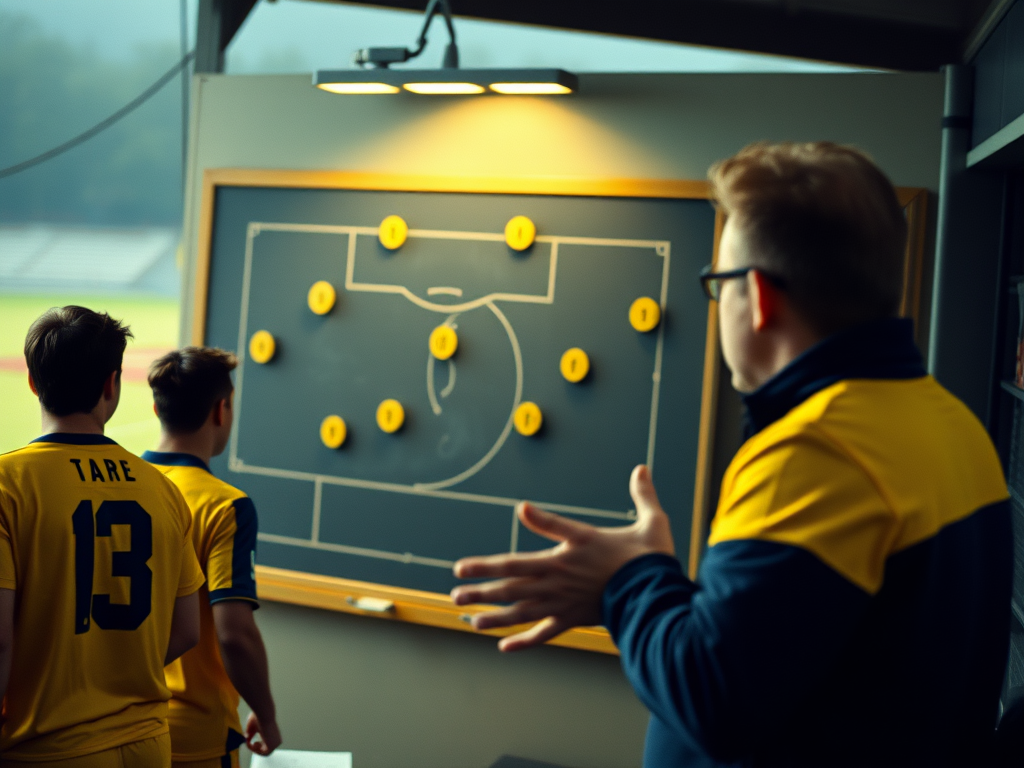
The Mariners have primarily operated in a 4-3-3 formation, which has allowed them to utilize their pace and width effectively. However, this setup has also exposed them defensively, particularly when transitioning from attack to defense. Opponents have exploited spaces left in midfield and wide areas, leading to counter-attacks that have resulted in conceding goals.
Midfield Dynamics
One area that warrants immediate attention is the midfield. While players like H. Eames have shown great promise, the balance between defensive solidity and creative freedom is crucial. Currently, the midfield trio often gets outnumbered, which can lead to a breakdown in possession and defensive vulnerabilities.
Suggested Tweak: Implement a more dynamic midfield structure by considering a 4-2-3-1 formation. This would involve two holding midfielders providing a shield for the defense while allowing more creative players to operate in advanced roles. This structure not only solidifies the midfield but also enhances the transition into attack, enabling the Mariners to maintain possession and dictate the tempo of the game.
Defensive Cohesion
Defensively, the Mariners have shown flashes of resilience, particularly with the performances of Samuel Dikoš and J. Donachie. However, lapses in concentration and communication at the back have led to avoidable goals. Teams have been able to exploit the space between the full-backs and central defenders, leading to dangerous situations.
Suggested Tweak: Improving defensive organization through clearer communication and positioning drills during training could help. Additionally, adopting a slightly deeper defensive line may reduce the spaces that opponents can exploit, particularly against pacey forwards. Encouraging the full-backs to delay their forward runs until the right moment could also help maintain defensive stability.
Offensive Fluidity
In attack, the Mariners have shown glimpses of their potential but often seem disjointed. The front three has struggled to link play effectively, resulting in isolated attacks that lack support. Moreover, the reliance on individual brilliance rather than cohesive team play has made their offense somewhat predictable.
Suggested Tweak: To enhance offensive fluidity, the Mariners should focus on quick, combination play in and around the box. Implementing positional rotations among the front three can create more space and opportunities. Encouraging overlapping runs from the full-backs could also stretch the opposition defense, allowing for more penetrating passes into the attacking third.
Conclusion
The Central Coast Mariners possess the talent and potential to be a formidable force in the league, but tactical adjustments are essential for a sustained push towards success. By refining their midfield dynamics, enhancing defensive cohesion, and improving offensive fluidity, the Mariners can capitalize on their strengths and address their weaknesses. As they prepare for the next fixtures, these tweaks could be the catalyst needed for a strong finish to the season.